
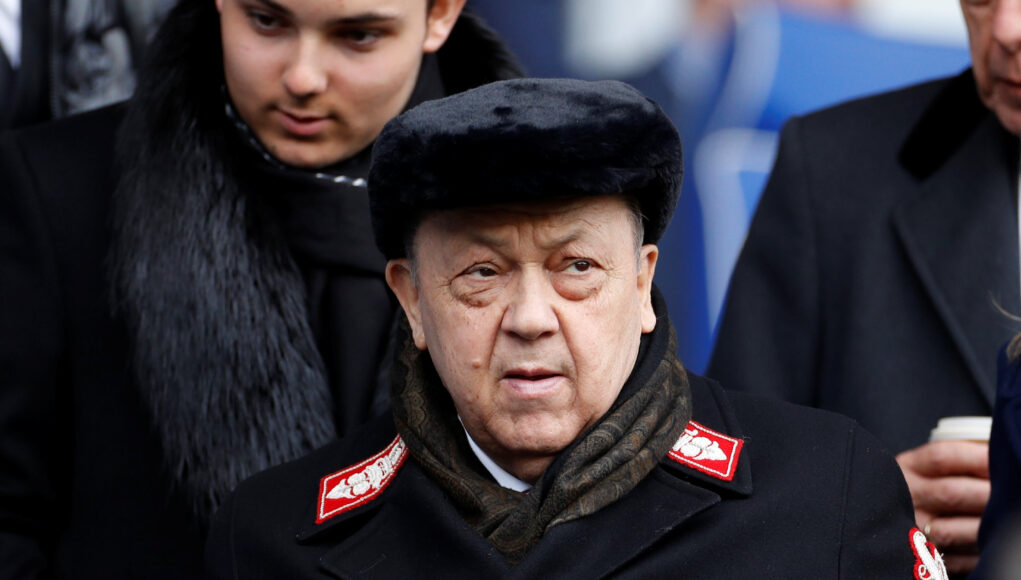
West Ham United stands at a crossroads as the 2025–26 season approaches. Between managerial changes, financial constraints, transfer speculation, and boardroom controversies, it’s a summer shaping up as one of the club’s most pivotal in years.
Earlier this year, West Ham made headlines by parting ways with Julen Lopetegui after a dismal run of just six wins in 22 Premier League games. In his place arrived Graham Potter, whose first game—a 3–2 FA Cup win over Fulham—offered glimpses of attacking intent.
Potter now inherits not just a team in transition but also the challenge of navigating significant financial headwinds. His appointment has been widely viewed as a move toward a more progressive, possession-based style, but constraints loom large over his plans.
A primary concern for the Hammers is compliance with the Premier League’s Profitability and Sustainability Rules (PSR). Under PSR, clubs are restricted to a maximum £105 million loss over a rolling three-year period.
Reports suggest West Ham is facing potential losses in the region of £80–85 million for the year, leaving little room for big spending without sales to balance the books. Financial experts believe the club may need to raise as much as £100 million through outgoing transfers before investing in new arrivals.
“West Ham’s PSR situation is real and serious, despite some spin from inside the club.”
David Ornstein via The Athletic
Amid these financial worries, West Ham has fielded a £60 million bid from Tottenham Hotspur for Mohammed Kudus, one of their standout performers last season. The Hammers have so far rejected the offer, though insiders acknowledge that a large sale might be inevitable if PSR compliance is to be achieved.
On the recruitment side, West Ham is reportedly pursuing El Hadji Malick Diouf, a promising defender from Slavia Prague, in a deal estimated around £20 million. Any new signings, however, remain contingent on clearing funds first—a reality that frustrates both fans and management.
While financial caution is understandable, many supporters point the finger at the club’s ownership for putting West Ham in this position. Years of cautious spending, public missteps, and communication gaffes have fostered a growing wave of discontent.
The hashtag #GSBOUT (Gold, Sullivan, Brady Out) remains prominent, symbolizing frustration toward the owners’ perceived lack of ambition and transparency.
“He doesn’t know sh*t about footballers and puts his thumb on the scale… some of his very public negotiation tactics rub people the wrong way.”
A Reddit user via R/Hammers
From ticket pricing to stadium issues and transfer sagas, fans argue that the board’s approach has often been more reactive than visionary. At the center of the storm sits David Sullivan, West Ham’s co-owner and de facto public face of the board. Sullivan’s reputation among supporters has deteriorated sharply over the past decade, fueled by:
- A tendency to get personally involved in transfer negotiations (which many fans believe is just to save a few pennies from his own pocket)
- Public comments seen as tone-deaf or self-serving
- Long-running reliance on trusted intermediaries like Will Salthouse, leading to concerns over conflicts of interest
One striking example came when Sullivan publicly compared the Premier League to supermarkets, suggesting the big clubs wanted to “pull up the ladder” and shut out smaller sides—a comment widely ridiculed as out of touch. Despite criticism, Sullivan continues to steer West Ham’s financial and sporting direction—a fact that leaves many fans nervous about the club’s ability to progress sustainably.
So where does the road ahead lead?
West Ham’s summer is a complex balancing act:
- Complying with PSR while staying competitive
- Retaining or replacing key stars like Kudus
- Building a squad suited to Potter’s tactical philosophy
- Rebuilding trust with a skeptical fan base
Potter’s first full transfer window will be critical. Whether he can reshape the squad and deliver stability remains the burning question of the summer.. and the burning question of the fact that many fans now question if their club will retain their “Premier League” status.
West Ham United’s predicament is emblematic of modern football: ambition constrained by financial rules, fans caught between hope and frustration, and ownership under relentless scrutiny. If Potter can steady the ship and the board makes bold, smart decisions, the Hammers could yet emerge stronger. Fail, and the club risks another chapter of turmoil.
One thing’s certain—this summer could define West Ham’s trajectory for years to come.

 The Football Journal
Leave a comment