
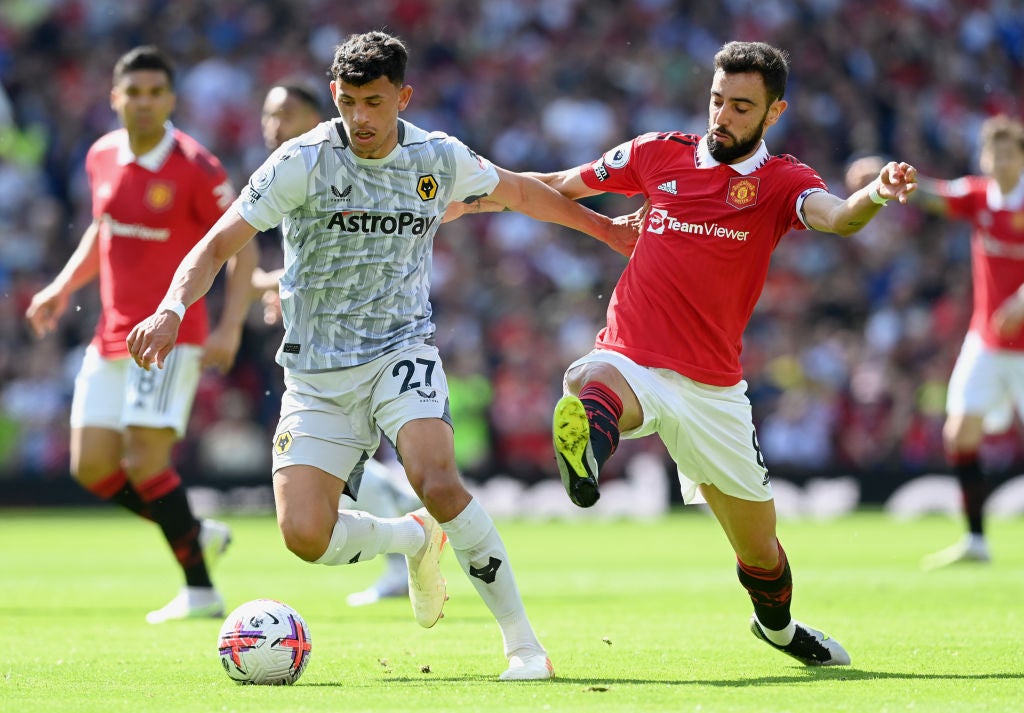
The Premier League is widely regarded as the world’s most exciting football competition – full stop. But it remains plagued by one-sided feasts: newly promoted teams getting relegated at alarming rates, mid‑table sides that never truly break through, and the same few clubs dominating the title race. Fixing these issues won’t just make the league more fair – it will keep fans glued to their screens. Here’s a look at the key challenges and some potential solutions.
Firstly, the promoted teams from The Championship are struggling to survive in the Premier League. Recent seasons have seen a disturbing trend: all three promoted clubs relegated in back-to-back campaigns. In 2023–24, Sheffield United, Burnley and Luton Town all went straight back down. And in 2024–25, Southampton, Leicester City and Ipswich Town were relegated after just one season in the top flight. That’s only happened one more time in Premier League history – first in 1997–98. Such outcomes highlight the enormous gulf between the Championship and the Premier League. Sudden promotion comes with increased costs, and unless clubs invest wisely, they’re often outmatched on all fronts – squad depth, wages, infrastructure, experience. For instance, Southampton became the earliest relegated club in league history, confirming demotion with seven games still to play. Promoted clubs could be better supported with a few smart changes. Parachute payments could be reformed to scale more smoothly, helping clubs manage their finances and build stronger squads. Premier League teams could set up loan partnerships, giving promoted sides access to quality players without the full cost. Some extra help with training, scouting, and academies – through grants or shared revenue – would also make a difference. And a bit of flexibility in financial fair play rules during promotion seasons could let clubs invest enough to compete, without risking long-term problems.
Secondly, there seems to be a ‘Mid table curse’, which is where clubs like Fulham, Crystal Palace and Everton often stay in Premier League mid‑table limbo. They avoid relegation but rarely push higher – and certainly don’t threaten the top. This stagnation comes despite regular investment in recruitment and resources. The problem partly lies in financial disparities. Middle teams can’t field squads with sufficient depth to compete in cup runs or European qualification. Managerial turnover also disrupts long‑term planning: short contracts, quick fixes and reactive hiring limit building momentum. Bridging the gap between top and mid-table Premier League clubs could start with small revenue tweaks – sharing a bit more from the top could help fund youth development and scouting lower down. Encouraging long-term coaching projects and stability, like Brentford’s model, would also build stronger foundations. And rewarding clubs for sustainable growth – like promoting youth and developing academies – rather than just big spending, could push the league in a smarter direction.
Thirdly, there has been one team has massively outperformed all the rest and that is Manchester City. Manchester City have virtually rewritten English football history. Under Pep Guardiola’s leadership since 2016, they’ve amassed around 739 points, far ahead of Liverpool’s 685 and Arsenal’s 586 in the same period . They won four consecutive Premier League titles up to 2023–24 and also completed a historic treble in 2022–23. This dominant formula mirrors that of PSG in France or Bayern Munich in Germany – single‑team domination with financial muscle and managerial consistency. Fortunately, Liverpool remain a credible challenger – snatching the title in 2024–25 – but other traditional contenders (Arsenal, Chelsea, Spurs, Manchester United) remain significantly off the pace. To help rebalance the Premier League title race, tougher enforcement of financial rules is a good place to start. Making sure Profit and Sustainability Rules actually stick would help stop things from getting too lopsided. Clubs could also be encouraged to spend smarter – like investing in youth and building sustainably – instead of just chasing quick wins. And finally, sharing a small slice of big commercial deals, like kit or sponsorship money, could boost overall competition and make the league healthier long-term.
Finally, the Premier League is a global giant – broadcast to over 200 countries, reaching billions, with clubs like Liverpool drawing huge worldwide audiences. But being a spectacle isn’t enough on its own. What keeps fans hooked is real competition – unpredictable games, high stakes, and the chance for any team to rise. If results become too one-sided or the same clubs dominate every season, the magic fades. To stay on top, the league needs more than just big names and flashy moments – it needs a real fight at every level. That’s the kind of football the world actually wants to watch.

 The Football Journal
Leave a comment